



Hancocks
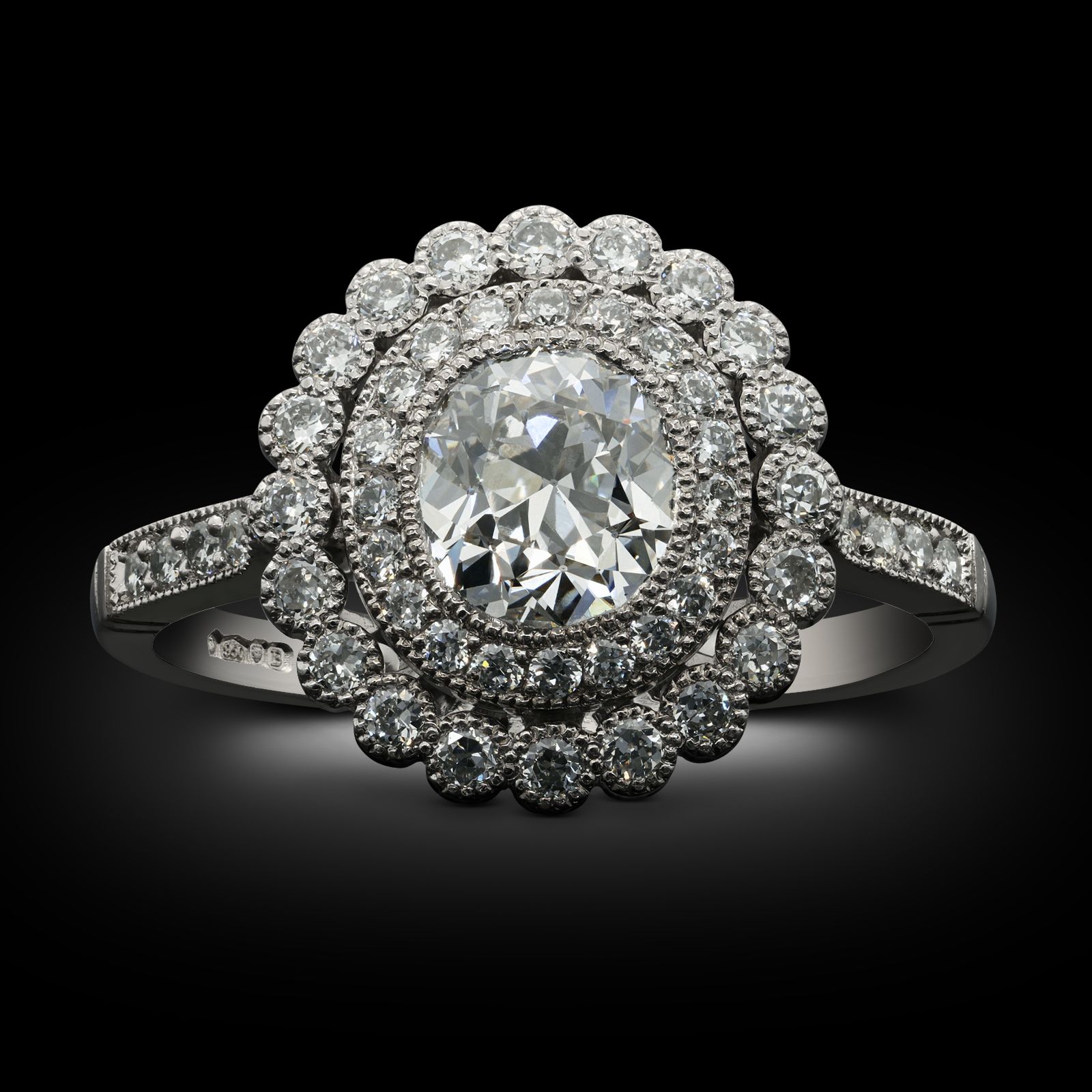
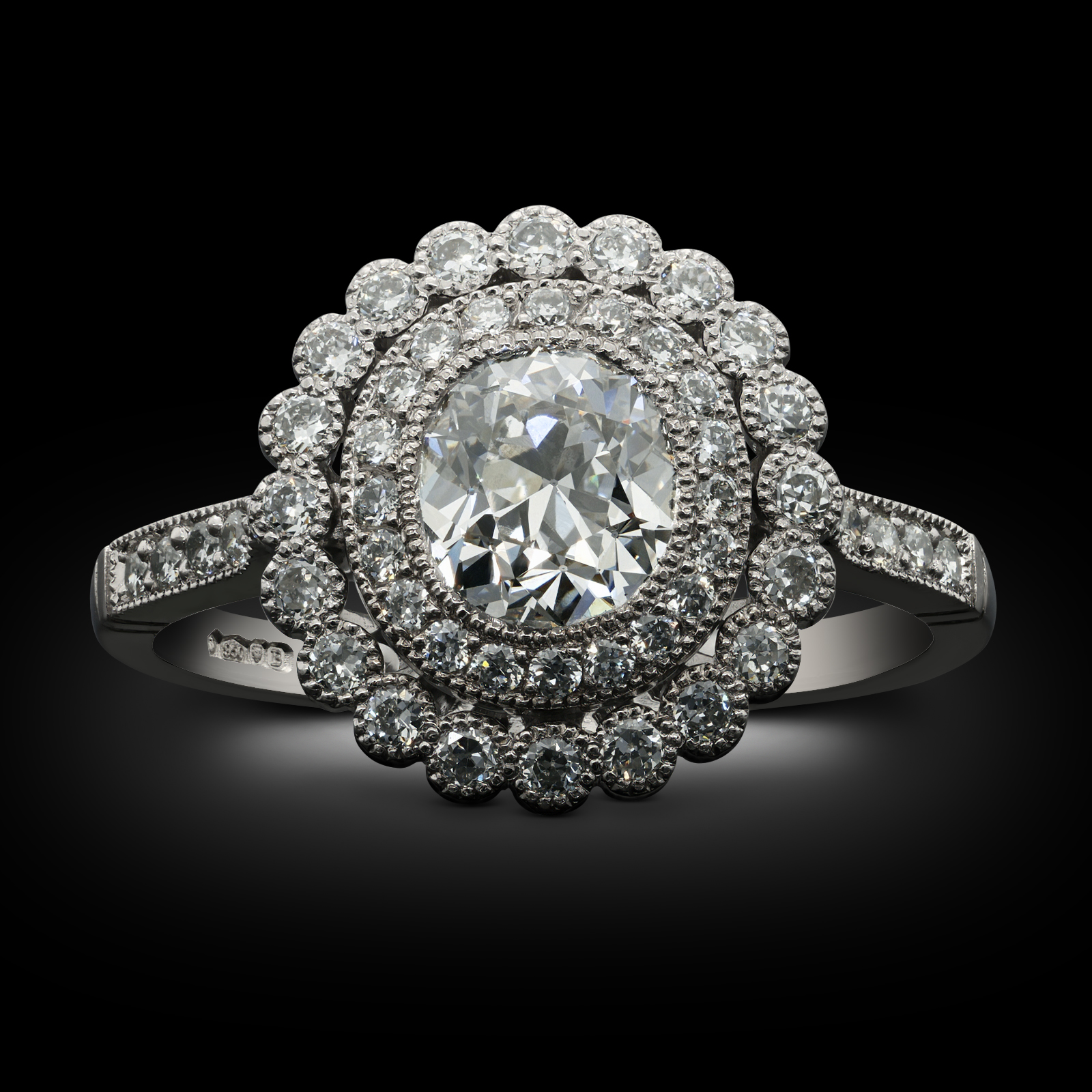
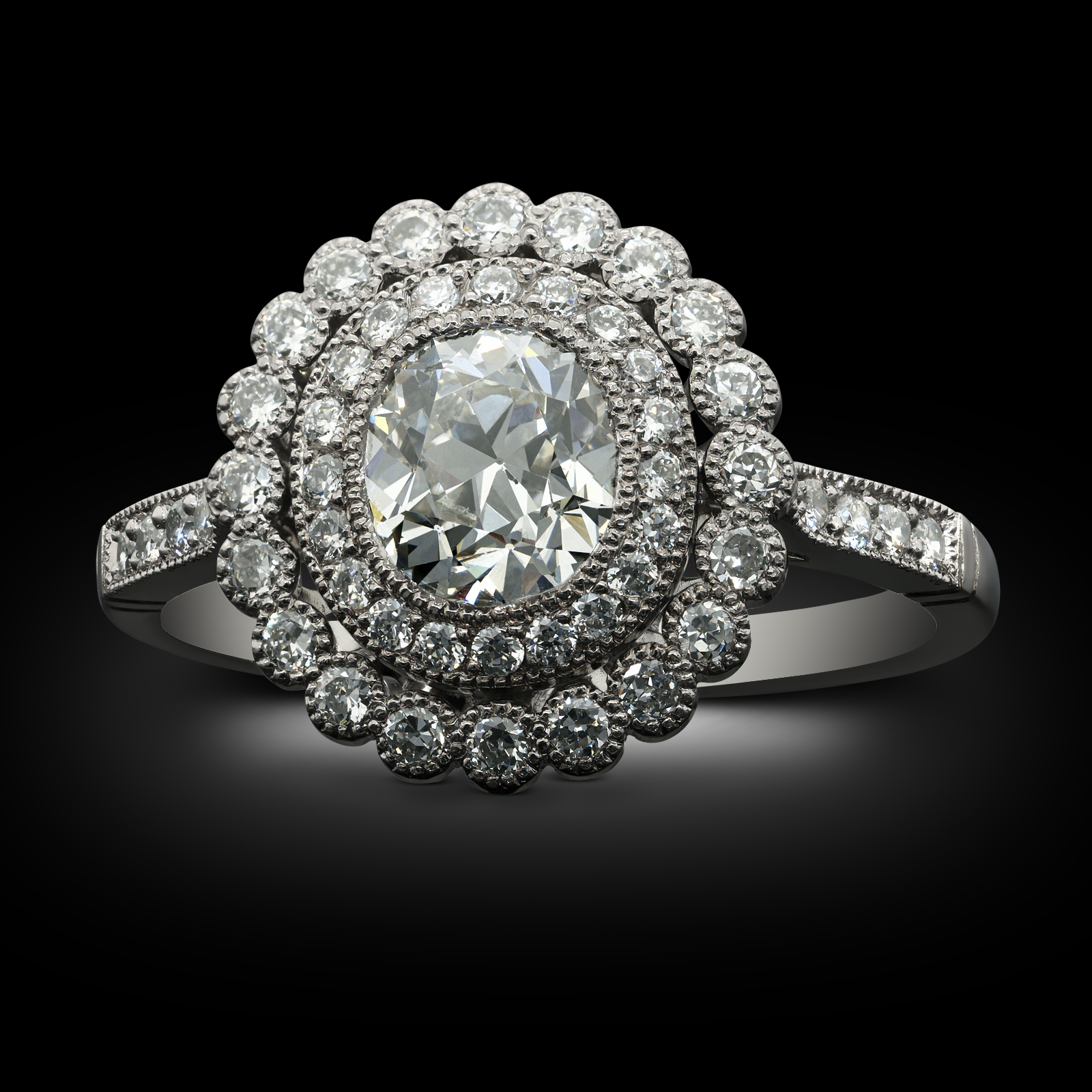
0.81ct Oval Cut Diamond Target Ring In Platinum
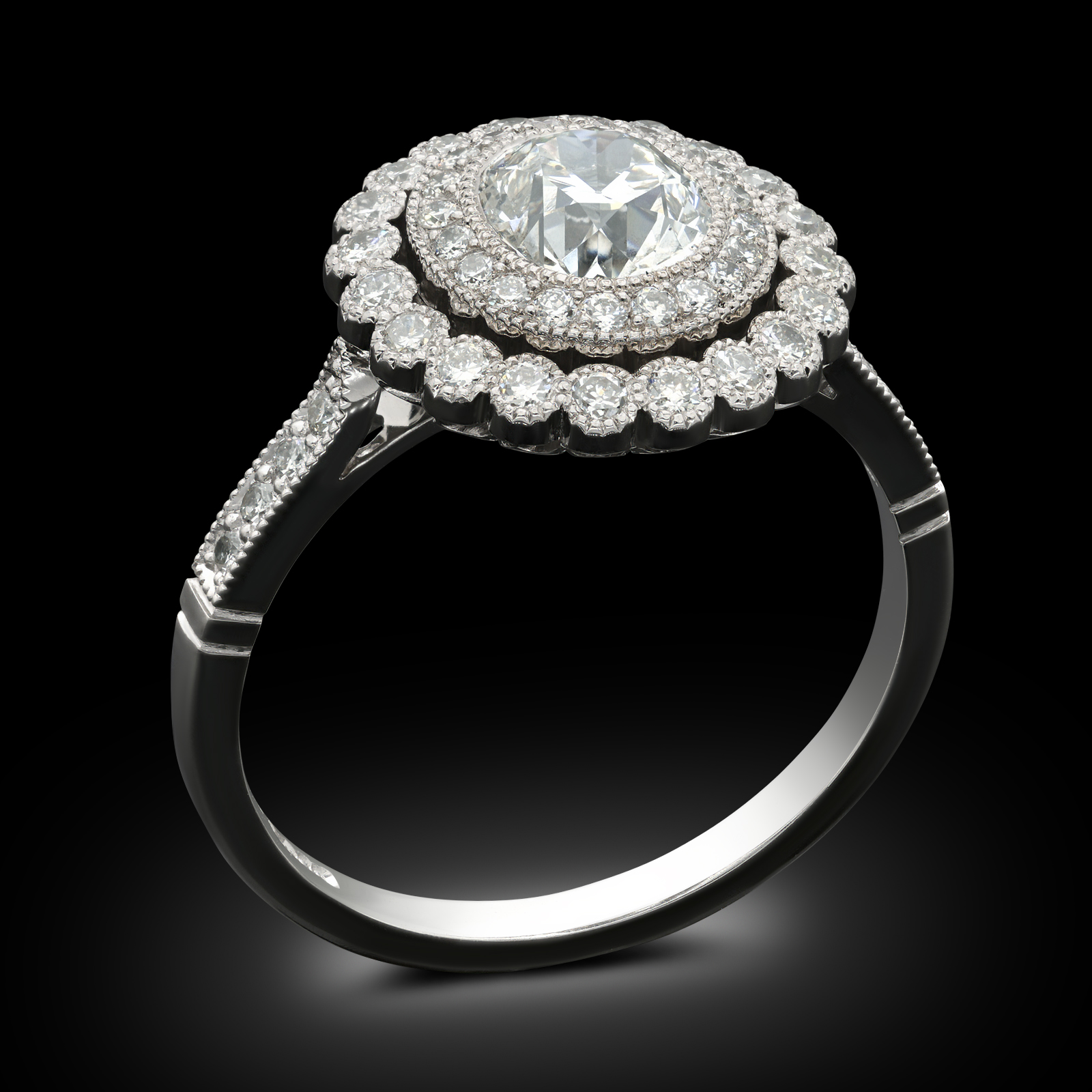
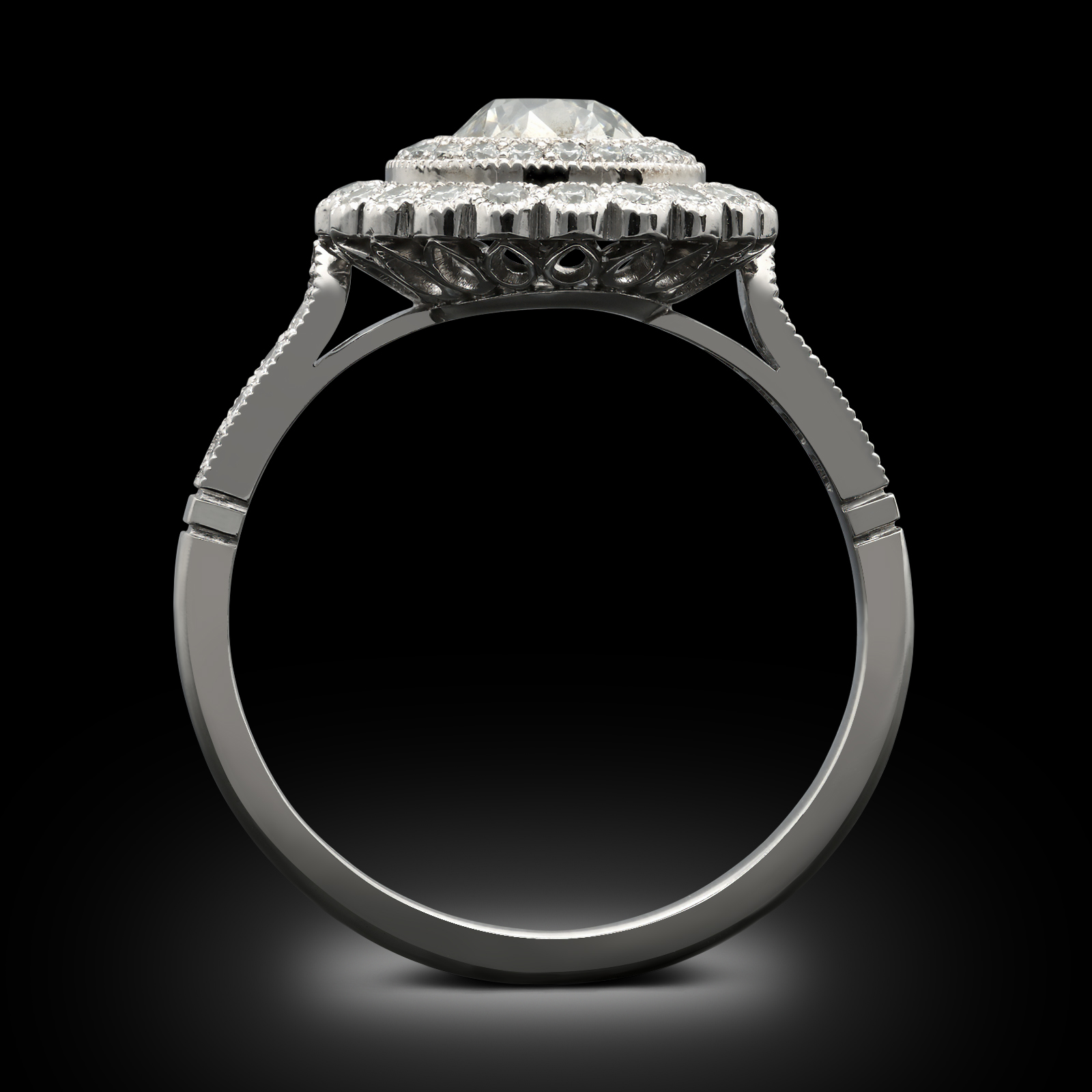
A handcrafted old cut diamond target ring in platinum by Hancocks. The ring is centred on a 0.81ct antique oval cut diamond, bezel set in a platinum grain setting, within a halo of pavé set circular brilliant cut diamonds and a further halo in individual millegrain collets, to an open platinum gallery and platinum band with diamond-set shoulders.
£12,500.00

Information
Maker
Hancocks
Origin
London
Period
Contemporary
Gemstone
0.81ct F SI2 antique oval cut diamond - with GIA certificate
40 x round brilliant cut diamonds, total weight 0.90ct
Setting
Platinum
Dimensions
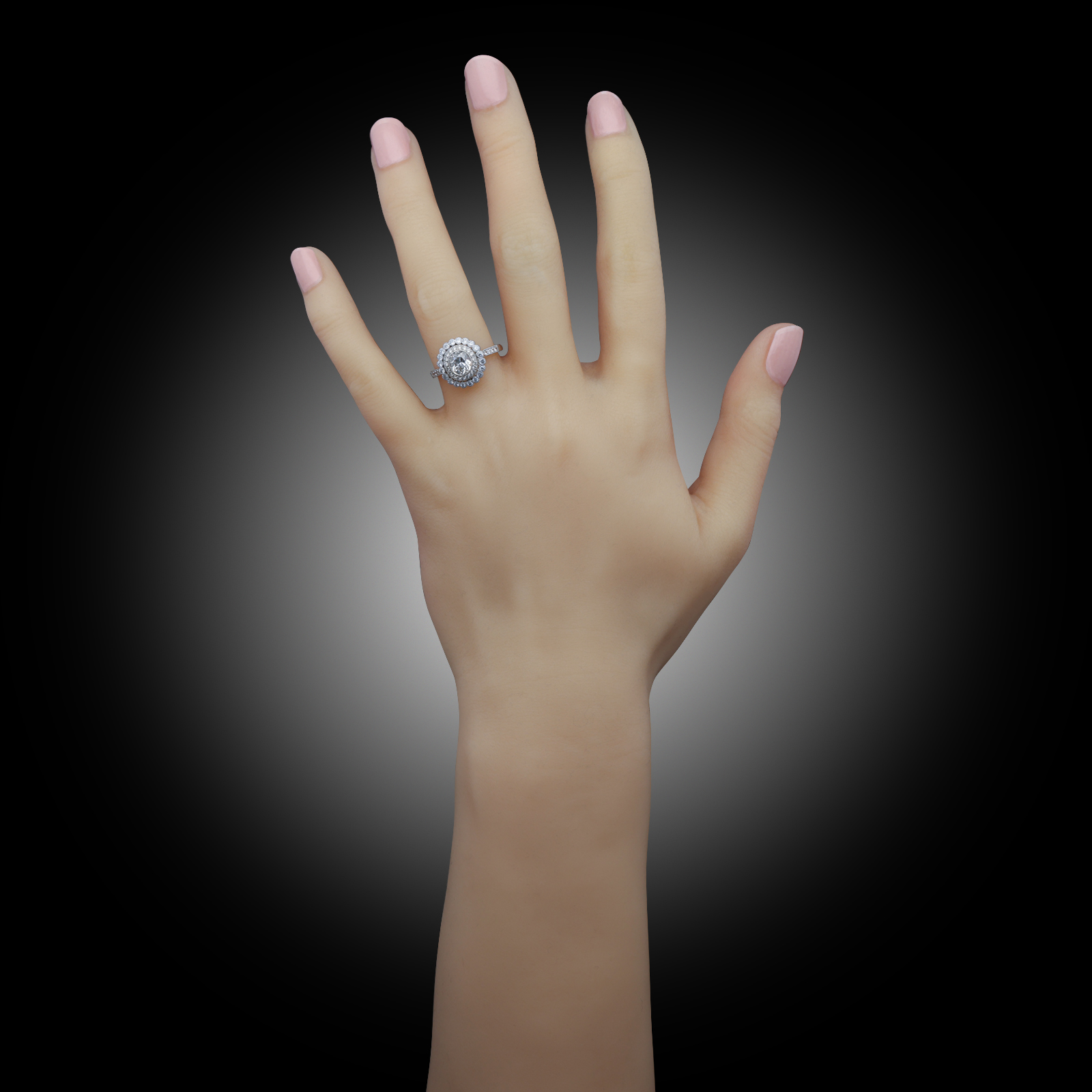
UK finger size M, US size 6.25 (can be adjusted to fit any size)
Head: 1.3cm x 1.2cm
Band width: 2mm
Weight Description
5 grams
REF
130007
Director’s Notes
First referenced in the late 1800s and early 1900s, the oval diamond enjoyed a heyday during the 1950s and 60s, falling out of favour until the turn of the millennium and now once again gaining in popularity. It evolved out of the old European and round brilliant cuts and appeals to those who prefer a more elongated shape but still want the life and sparkle that brilliant cuts give. The oval also has the advantage of a larger surface area than a round stone of equal weight meaning they can give the impression of being a higher carat weight than they really are. The shape is particularly flattering on the hand, drawing the eye along the finger and making it seem longer. When looking at oval diamonds, symmetry and proportion are of particular importance. Whether you prefer a shorter wider stone or a longer thinner one is up to you but have a good look at the outline of the shape and make sure it is even and symmetrical. The most famous oval diamond is probably the Koh-i-Noor which weighs in at an impressive 105cts and is part of the British Crown Jewels.


